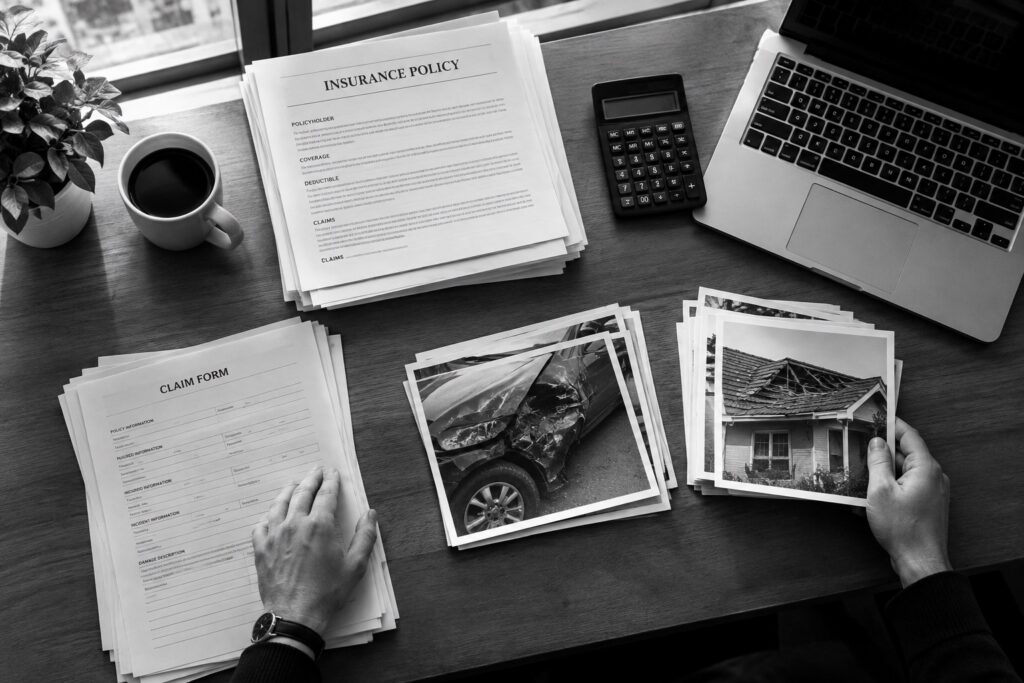
Problem: You cannot prove what you had after it is gone.
Solution: Pre-loss documentation means more accurate submissions and maximum recoveries.
Collecting property records is easier when the building is operating as usual. After a loss, teams may face restricted access, damaged equipment, and urgent repairs while trying to establish what was there before.
BT Data Base stores property documentation in a central system and organizes materials by property, floor plan, room, and asset. Its portfolio tools summarize insurance policies and flag missing documentation that may be needed if a disaster occurs.
Start with the records that describe the property: floor plans, architectural and engineering drawings, photographs, and room or asset information. Add the documents that explain its condition and upkeep, including maintenance records, inspections, and relevant contractor information.
Keep insurance policies, endorsements, appraisals, and available value documentation accessible alongside those records. Essential contacts and contracts also help the team find the right people when a question needs a quick answer.
The file needs ongoing attention. Update it when equipment is replaced, renovations are completed, or insurance documents change. Assign responsibility for keeping each type of record current so the repository remains useful between emergencies.
Preparing that record gives property and facilities teams information they can use during day-to-day management and recovery. Learn more about organizing property documentation at https://btdatabase.com/private-insurance/.